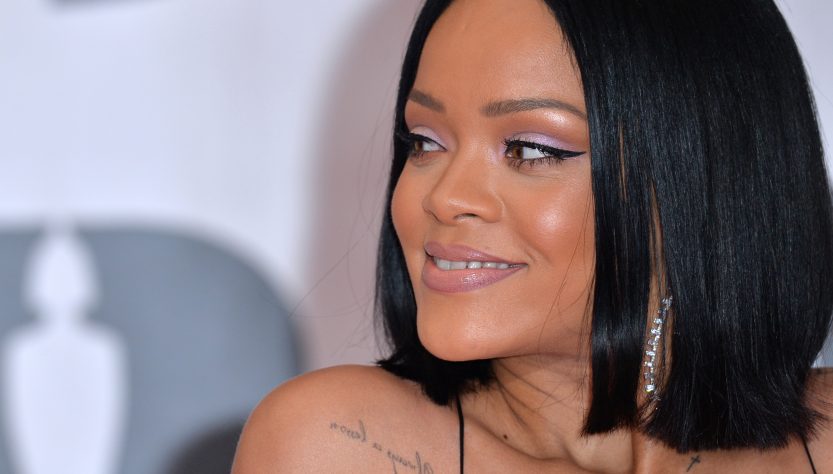
It’s a sunny morning in 2016: Drake’s Hotline Bling is dominating charts, Frank Ocean has broken Twitter by dropping two projects in 48 hours, Kanye is meticulously editing an already released album and Rihanna is still releasing records, Fenty Beauty just a twinkle in her eye.
Set to this musical backdrop was a tense and transitional year in politics. The Brexit referendum and Obama’s final year in office – 2016 was wild, and with monumental albums turning ten this year, was this truly the last great year of albums before they became algorithm-friendly?
A decade later, as albums that were political, cultural, and emotional turning points turn ten, the question that is being asked is whether 2016 was the last year where albums were truly monumental rather than just algorithm-friendly drops.
Music carried weight in 2016; artists were not afraid to take a stand and speak from a place of emotion. Released in April 2016 lemonade by Beyoncé was a statement film-length album that highlighted the struggles of black womanhood, inequality, infidelity and trauma. resonating with the political tension of the year. It gained a lot of attention, causing many conversations and controversies.
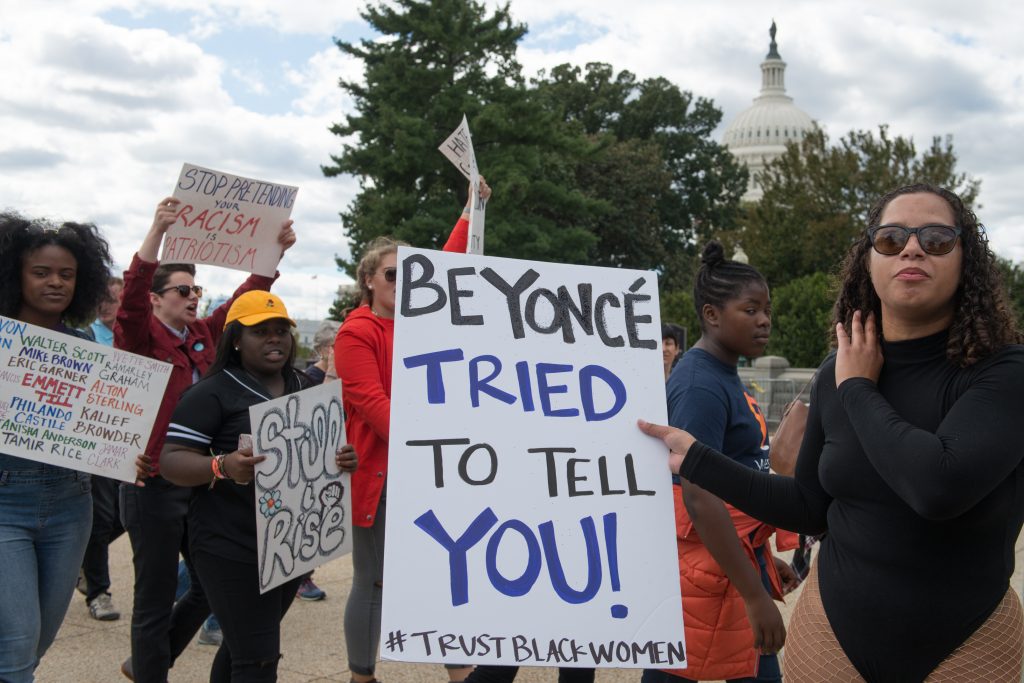
“I feel like that album genuinely changed my life. I still listen to it almost every day. It just felt like a message that a whole community can relate to and it made me realise that celebrities are still regular people just like us that go through the same experiences we go through,” Mekelit Yohannes, KU third year student, said.
Beyond politics, 2016 also shaped the streaming world with the UK having estimated 45 billion streams, a 68% jump from 2015’s listening market, according to the UK labels association BPI.
Initially released as an Apple Music exclusive, Views by Drake showcases how culture can dominate the streaming world, introducing Caribbean-African-inspired songs like “One Dance”, one of the most-streamed songs of all time. The album made many playlists more open to genre blending.
Around that time, Kanye West officially released The Life Of Pablo, where he constantly updated and edited his album as if it were a “living” digital software, introducing an innovative concept that reflects today’s constantly edited media.
“The key differences in music between now and 2016 is how repetitive music is, it has no meaning, nothing life changing, no new concepts,” Akello Grier-Greenaway, KU second-year student, said. “I think we are in a constant state of yearning for new creative concepts”.
More than just politics and platforms, 2016 brought light to the topic of emotional R&B, turning it into a mainstream genre that focuses on emotional expression.
A minimal and deeply introspective album, Blonde by Frank Ocean redefined masculinity, highlighting the topic of love and identity whilst showcasing the power of male vulnerability through diary-like songwriting.
Taking part in the rise of soft, masculine and emotional R&B alongside Views by Drake, Divine Feminine by Mac Miller and Starboy by The Weeknd which paved the way for male R&B singers today.
What makes albums from 2016 stand out is not just the quality, but the overall experience that the music provides.
With artists experimenting with genres and different types of productions, Anti by Rihanna has permanently taken a spot in every club and house party mix since 2016 until now, with songs like “Work” and “Needed Me” being not only highly charted, but cultural staples.
Unknowingly being Rihanna‘s final album before she shifted into the fashion and beauty business world, Anti became a closing chapter that challenges industry expectations and focuses on artistic freedom and female vulnerability.
“Albums back then were, in my opinion, the reason we get that self-expression in music these days. Artists weren’t afraid to show vulnerability or desire or even defeat, and I feel like that really impacts today’s music,” Yohannes said.
Was 2016 the last era of monoculture? When these albums were released, they weren’t just viral short-form media that were consumed and forgotten quickly; they were cultural milestones that stimulated discussion and dominated public discourse.
The cultural atmosphere of 2016 might be the reason why it may feel like the last great year of music. Major political events often generate profound art, and 2016 was a year filled with global tension. Music had deep meaning in response to an uncertain world.
In addition, music was experienced as a community; although streaming platforms were available, personalised algorithms had not yet completely taken over feeds; platforms such as TikTok have transformed music into rapid viral trends for a week or two before moving on to the next, forgetting about the previous one. Making it difficult for projects to dominate and deliver a complete monocultural listening experience.
Maybe 2016 wasn’t necessarily the last great album year, but it might have been the last time albums felt monocultural yet genuinely transitional, reflecting on political, emotional, and cultural shifts.
